
This article is also available in: 繁體中文 · 日本語 · 한국어 · Bahasa Indonesia · Bahasa Melayu · ไทย · Português (Brasil) · Español · Türkçe · Tiếng Việt · Deutsch · हिन्दी
Contents (33)
Only about five factories in the world can still “coat” their own color negative film: Eastman Kodak in the US, Fujifilm in Japan, Harman Technology in the UK, ORWO (InovisCoat) in Germany and Lucky in China. Of these, only Kodak and Fujifilm produce in real volume; the other three make small quantities or have only just restarted. Most of the other brands you see on the shelf, such as CineStill, Lomography and Kentmere, buy film from these factories and put it in their own packaging.
The most counterintuitive part: for the Fujifilm 200 and Fujifilm 400 that Fujifilm sells in the US, both data-sheet comparisons and the DX codes on the film edge point to Kodak as the maker. Fujifilm has not confirmed this; it only says it “works with multiple partners”.
Taking an industry-research angle, this article breaks the film supply chain into three layers: who owns a factory, who makes film for whom, and who only repackages. It then looks at what Kodak has done inside its factory in recent years, why Portra changed its name in 2026, and what was really behind the 2025 “is Kodak going under?” headlines, and finally lays out prices in the US and Japan. The conclusion up front: film is not dying, it is concentrating.
1. What “coating” is: the step that separates film factories from film brands
The core step in making a roll of film is called coating: spreading light-sensitive emulsion containing silver halide, layer by layer and perfectly evenly, onto a clear film base. Color negative film stacks multiple emulsion layers, each sensitive to a different color, and the thickness and formula of every layer determine the final colors. This step takes an entire coating line.
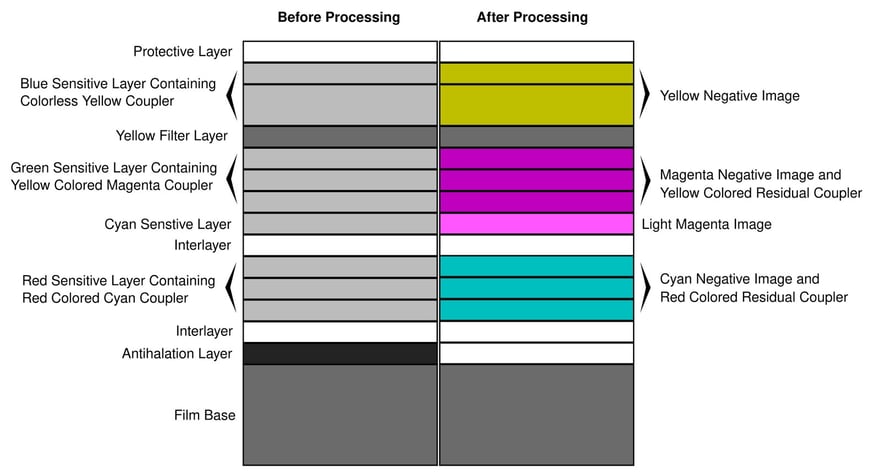

After coating comes finishing: slitting the big master rolls to 35mm width, perforating, spooling the film into cassettes and boxing it. This stage is closer to packaging, and the technical barrier is much lower.
A bakery analogy makes it clearest. A factory with a coating line is a cake factory with its own ovens that mixes its own batter; a brand without a coating line is a bakery that buys cakes wholesale from the factory and puts them in its own boxes with its own stickers. Both sell cake, but only the first decides what the cake tastes like, and only when the first stops work does a whole row of shops downstream run out at the same time.
A coating line is an asset that is very hard to build again. Lucky stopped making color film in 2012 and only returned to the market with the newly developed C200 in 2025, thirteen years later; Harman, the British factory that grew up on black-and-white film, did not launch the first color film of its own design and its own coating in the factory’s history until December 2023. So when you want to know where a film brand really comes from, the first question is always: does it have its own coating line?
2. About five color negative film factories left in the world: who they are and where they stand
| Factory | Scale | Color negative status |
|---|---|---|
| Eastman Kodak (Rochester, US) | Volume | The world’s largest supplier of color negative film, and also makes film for other brands |
| Fujifilm (Ashigara, Japan) | Volume | Still has its own coating line; consumer color negative film for the US market is now made by Kodak; sources contradict each other on whether its color negative film in Japan is coated in-house |
| Harman (Mobberley, UK) | Small, just starting | Launched Phoenix 200 in December 2023, the factory’s first color film coated in-house; launched the improved Phoenix II in July 2025; launched the experimental color film Switch Azure 125 in March 2026 |
| ORWO/InovisCoat (Germany) | Small | Wolfen NC500 color negative film, with a formula derived from Agfa motion picture film; the coating plant was taken over by Optik Oldschool in July 2026 |
| Lucky (China) | Small, just returned | Stopped making color film in 2012; the newly developed Lucky C200 went on sale in small quantities in China from 2025 and reached US retail in June 2026 |
The key point of this table is to keep “five” and “two” apart (Harman is the parent company of Ilford black-and-white film; ORWO’s coating plant InovisCoat is in Monheim am Rhein, while the ORWO/Wolfen brand is in Bitterfeld-Wolfen). Five companies can coat their own color negative film, but only Kodak and Fujifilm carry the supply for the global consumer market; Harman, ORWO and Lucky products are still niche options, on a different scale entirely. And even Fujifilm no longer makes the consumer color negative film it sells in the US, so in practice Kodak alone carries even more weight in color negative supply.
For the “about five left in the world” figure, I use the list given by the film review site Analog Cafe in its Lucky C200 review (Kodak, Harman, Fujifilm, ORWO, Lucky). The number counts color negative film only, not black-and-white film and not slide film. I say “about” because the list has only this one source, and there are two accounts of whether Fujifilm still coats its own film for Japan (see the next subsection); as of October 2026, I have seen no new factory join or any leave.
Is Fujifilm’s color negative film for Japan still coated in-house? The sources contradict each other
I could not find a definitive answer on this, so here is what there is:
- The overview site cameragx listed Fujifilm in September 2025 as a factory still making color film.
- The same Analog Cafe series says that Fujifilm stopped making its own color negative film after Superia X-TRA 400 was discontinued.
- Fujifilm itself has never publicly said who coats the color negative film it sells in Japan.
The safer way to put it: Fujifilm still has coating lines (its instant film is still being expanded at the same Ashigara factory), but for the consumer color negative film it sells in the US, the comparison evidence points to Kodak as the maker; for Japan, there is no first-hand information to draw a conclusion from.
More factories make black-and-white film than color: Foma, ADOX and Harman
Black-and-white film is simpler to make than color film, and there are more factories. They are only listed briefly here so they don’t get mixed up with the color negative list:
- Foma Bohemia in the Czech Republic makes only black-and-white film, paper and chemicals, no color film.
- ADOX in Germany converts film using equipment left over from the closures of Agfa and Hungary’s Forte factory. In 2015 it bought a Swiss coating machine to start coating its own film, and as of 2024 it was still being set up.
- Harman in the UK, besides Ilford black-and-white film and its own second brand Kentmere, also supplies black-and-white film to brands such as Agfa and Rollei.
3. The three-layer supply chain: coating plants, contract manufacturing and rebranding, retail
Connect the factories above to the brands on the shelf and it looks roughly like this:
| Layer | What it does | Examples |
|---|---|---|
| Layer 1: coating plants |
Kodak, Fujifilm, Harman, ORWO, Lucky: mix the emulsion, coat it, decide the colors and grain | Kodak Gold 200, Harman Phoenix II, Wolfen NC500, Lucky C200 |
| Layer 2a: contract making |
A factory makes film for another well-known brand; the same line prints a different brand name | Kodak-made Fujifilm 200/400 (made in the US); Agfa and Rollei black-and-white film supplied by Harman |
| Layer 2b: rebranding or modifying |
Brands without a coating line buy film from a factory, rename and repackage it, and a few modify it | CineStill (Kodak motion picture film with the backing removed), Lomography, Arista, Kono, Rollei; Kentmere is Harman’s own second brand |
| Layer 3: retail |
Film specialty shops, general online retailers, brand official stores: buy stock, set prices, sell to consumers | Film specialty shops, large online retailers and brand official stores everywhere |
The conclusion to take from this table: there are far more brands on the shelf than there are real factories. A consumer who sees a dozen-plus brands in a film shop will find, tracing them back, that most of the color negative film converges on one company, Kodak.
CineStill is the easiest rebranding example to understand. It removes the black antihalation backing (rem-jet) from Kodak’s Vision3 motion picture film so that an ordinary C-41 lab can process it. It has its own formula adjustments and its own brand, but no coating line of its own; the film itself comes from Kodak.
This structure looks a lot like the dye-sublimation printers used in photo booths. On the page about dye sublimation and six photo printing technologies, I wrote about two observations: the money is not in the machine but in the consumables; and a distribution brand is not the same as an independent platform, so switching to another manufacturer does not necessarily spread your risk. Film is a more extreme version of the same story: the camera is just the entry point, film is the consumable you have to buy again every time you use it, and behind the consumable there are far fewer factories than there are brands on the shelf.
4. Why your Fujifilm film may have been made by Kodak: the evidence and the caveats
This is the question this article gets asked most, so here is the evidence item by item, along with what still cannot be confirmed.
The comparison evidence: data sheets, DX codes, country of origin on the box
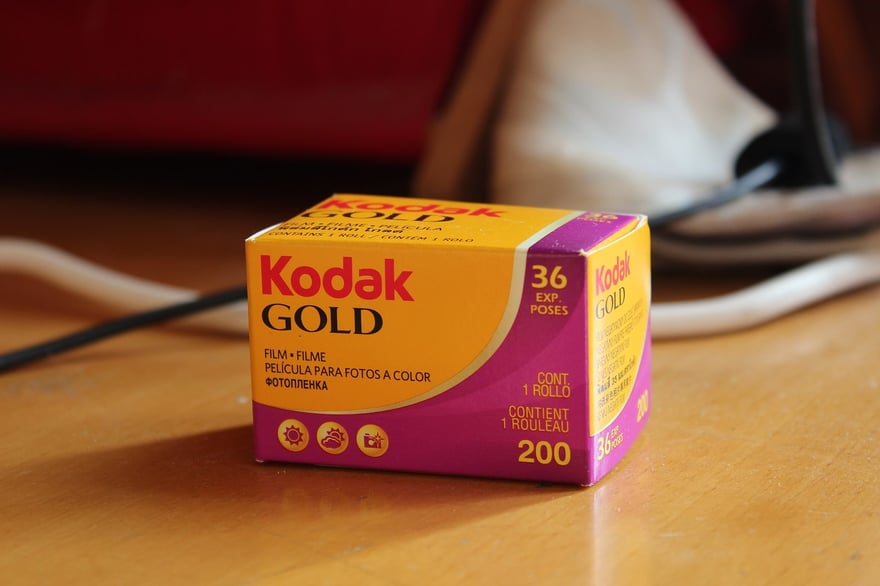
- The characteristic curves, spectral sensitivity curves and spectral dye density curves of Fujicolor 200 (the new version launched in December 2021) are identical to those in the 2016 Kodak Gold 200 data sheet. The photography site PetaPixel reported this comparison in January 2022. A claim often seen online is that “a distribution sales rep confirmed Kodak makes it”, but I could not find a named, verifiable source for it, so all I can say is that this is widely believed in the industry.
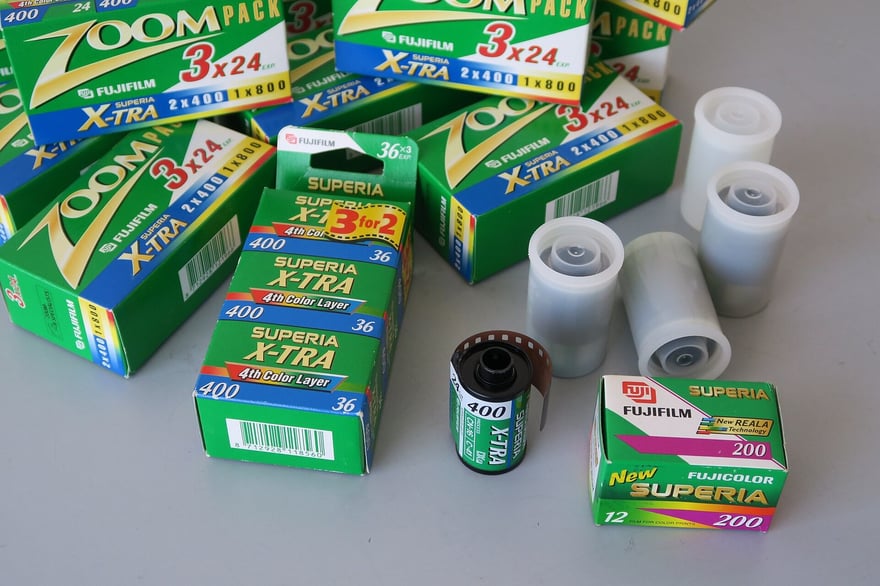
- In early 2022 Fujifilm stopped selling the Japanese-made Fujicolor C200 in the US and switched to Fujifilm 200, with “Made in USA” on the box.
- A US-made Fujifilm 400 appeared in July 2023. From the DX code on the film edge, the photography site 35mmc concluded it was Kodak UltraMax 400, although the two data sheets differ slightly.

Fujifilm’s position: only “multiple partners”
Fujifilm has never formally acknowledged that Kodak makes its film. Its public position is only that it works with “multiple partners”. So the accurate statement is: spec comparisons show, and the industry widely believes, that the US-made Fujifilm 200 and 400 are made by Kodak; not “Fujifilm has admitted it”.
Fujifilm’s own color negative films, discontinued one by one
Lay out Fujifilm’s color negative moves of recent years as a timeline and you can see its own product line shrinking:
| Date | Event |
|---|---|
| 2021 | Pro 400H discontinued |
| Dec 2021 to early 2022 |
New Fujicolor 200 launched; the US market switches to the Made in USA Fujifilm 200 |
| 29 Mar 2023 | In Japan, Fujifilm suspends orders for Fujicolor 100, Superia Premium 400, Superia X-TRA 400 and Velvia and Provia slide film, citing insufficient raw material supply |
| Jul 2023 | US-made Fujifilm 400 appears |
| Apr 2024 | Superia X-TRA 400 discontinued worldwide, replaced by Fujifilm 400 |
| Jun 2025 | The official site briefly lists 400H and X-TRA 400 as products again; Fujifilm later says it was a website error and both remain discontinued |
The direction in the table is clear: Fujifilm coats fewer and fewer consumer color negative films itself, and more and more of the color negative film carrying the Fujifilm name on the market is the US-made version.

Where Fujifilm’s money and capacity are going: instant film
Over the same period, Fujifilm has been expanding heavily in another kind of film. On 18 December 2025 Fujifilm announced a further investment of about 5 billion yen at its Ashigara factory to expand instax instant film capacity, raising capacity by about 10% over fiscal 2025, with full production from autumn 2026; cumulative investment since 2022 is about 11.5 billion yen, and capacity is up about 50% over fiscal 2022. According to a Nikkei report in December 2025, instax brings in more than 150 billion yen a year, 90% of it overseas, and the imaging business that includes instax accounts for about 40% of the group’s operating profit.
My reading: Fujifilm is putting its resources into instant film, where it has pricing power and almost no competitors, and handing traditional color negative film, which is low-volume and highly competitive, to Kodak, which has more capacity. This is a judgment inferred from investment and product moves; Fujifilm has not said so. For the history of the instant film line, read on in the instant camera industry history: Polaroid and instax.
5. Inside Kodak: expanding output, a shutdown for upgrades, taking back distribution, renaming Portra
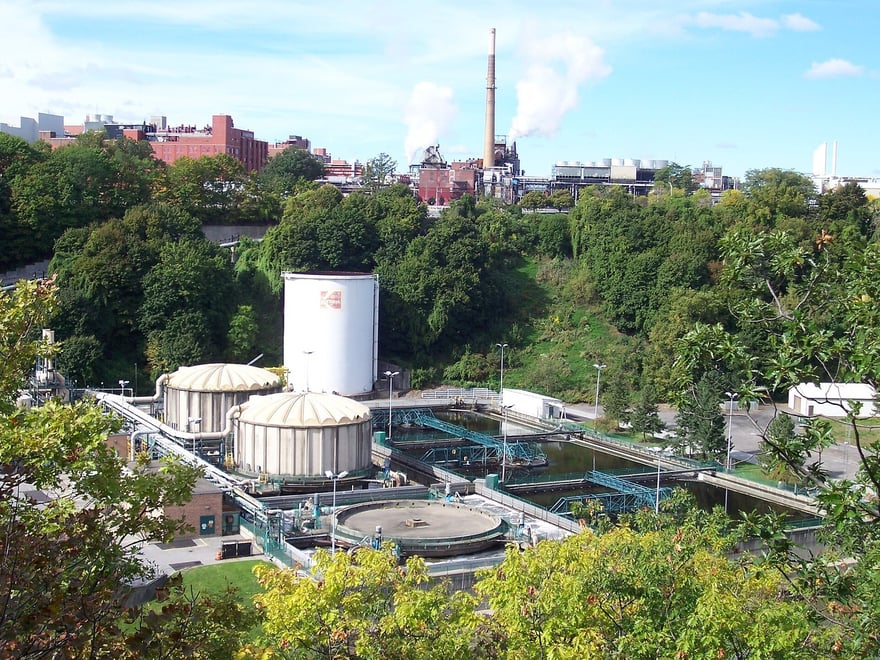
If most of the world’s color negative film converges on Kodak, then what happens inside Kodak’s factory is what happens to the whole market.
Kodak’s capacity: doubled from 2015 to 2019, finishing moved to 24 hours in 2022
- Output: from 2015 to 2019, Kodak’s still film production at least doubled. Ed Hurley, then general manager of the film division, said it grew 15% or 20% a year, sometimes as much as 30%.
- Staff: the film division hired about 350 people from 2021 onward and still had 75 openings in October 2022; the vice president in charge said capacity was “still not keeping up with demand”.
- Finishing: in October 2022, film slitting and packaging went from 40 hours a week to running around the clock, which roughly quadrupled capacity at this stage.
- Backlog: in its second-quarter 2025 10-Q, Kodak itself acknowledged that rising consumer film demand, combined with equipment constraints and labor shortages, had created a backlog; it only came down in 2024 thanks to new hiring and investment in equipment.
Taken together, these four points show that the film shortages of the early 2020s happened not because the factory was winding down, but because it could not make enough.

November 2024: every film line shut down for about 5 weeks of upgrades
On its third-quarter 2024 earnings call, Kodak’s CEO announced that from November all film production lines (motion picture and still film) would stop for about 5 weeks to upgrade equipment, with extra inventory built up before the shutdown.
This episode shows the risk of concentration better than anything: when one factory supplies color negative film for itself, its former distributor and other brands, a five-week stoppage there hits several brands on the shelf at once.
Who Kodak Alaris is, and why Kodak took distribution back
Kodak film involves two companies. Eastman Kodak is the one that makes the film in Rochester; Kodak Alaris is a separate company that took over still film distribution and marketing in 2013, after Eastman Kodak’s 2012 bankruptcy reorganization. In August 2024 Alaris was sold by the UK’s Pension Protection Fund to the US private equity firm Kingswood Capital.
Starting in autumn 2025, Eastman Kodak took distribution back one film at a time:
| Date | Event |
|---|---|
| Sep–Oct 2025 | Eastman Kodak launches Kodacolor 100 and 200 under its own brand (renamed versions of the existing Pro Image 100 and ColorPlus 200, not new emulsions) |
| Nov 2025 | Gold 200 and UltraMax 400 switch to distribution by Eastman Kodak itself, in Eastman Kodak packaging |
| Jan 2026 | Ektar 100 and Tri-X taken back for direct sale |
| Feb 2026 | Ektachrome slide film taken back for direct sale |
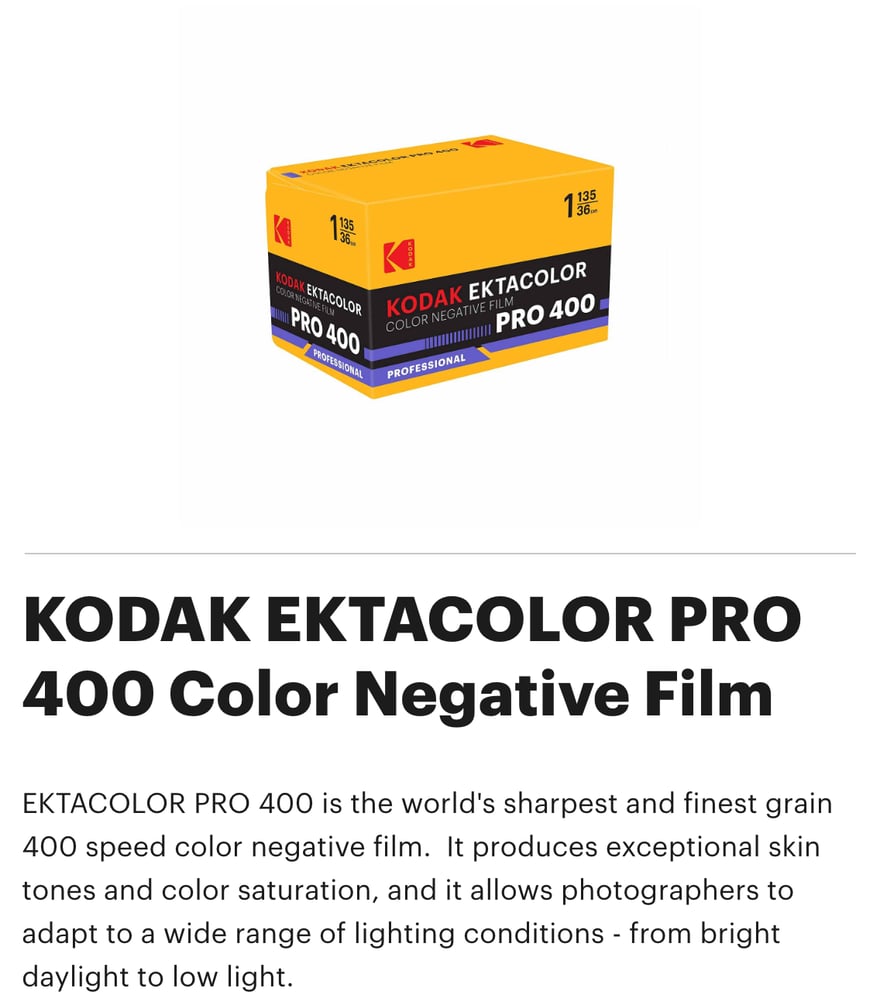
| 24 Mar 2026 | Portra renamed Ektacolor Pro, T-Max renamed Ektapan; all Kodak still film back under Eastman Kodak’s own distribution |
In its third-quarter 2025 report, Kodak explained that taking back distribution was meant to give it more control over the consumer film market and make pricing and supply more stable. The table shows that it started with the cheapest, highest-volume consumer films and dealt with the professional films last, an order that looks like securing the core business first and then handling the products whose names were in dispute. According to a Kosmo Foto roundup in April 2026, when Kodacolor 100 and 200 first came out they were about US$1 cheaper in the US than the equivalent Alaris-distributed films; that price gap refers only to these two films, and UK prices were about the same as in the Alaris era.
Film still labeled Portra on the shelf is stock from before the rename
| Old name (Alaris trademark) |
New name (from 2026-03-24) |
|---|---|
| Portra 160 | Ektacolor Pro 160 |
| Portra 400 | Ektacolor Pro 400 |
| Portra 800 | Ektacolor Pro 800 |
| T-Max 100 | Ektapan 100 |
| T-Max 400 | Ektapan 400 |
| T-Max P3200 | Ektapan P3200 |
What this table means: Portra has not been discontinued; only the name has changed. The emulsion itself is the same, and the reason for the rename is that the Portra and T-Max trademarks are held by Kodak Alaris, so Eastman Kodak cannot keep using them after taking distribution back.
So film on the shelf still printed with Portra is stock made before the rename, and new deliveries will come in Ektacolor Pro packaging. If you just want to shoot, the old and new names are the same film, and there is no need to pay extra for “the last Portra”.
6. Kodak’s 2025 “going concern doubt”: the problem was debt, not film
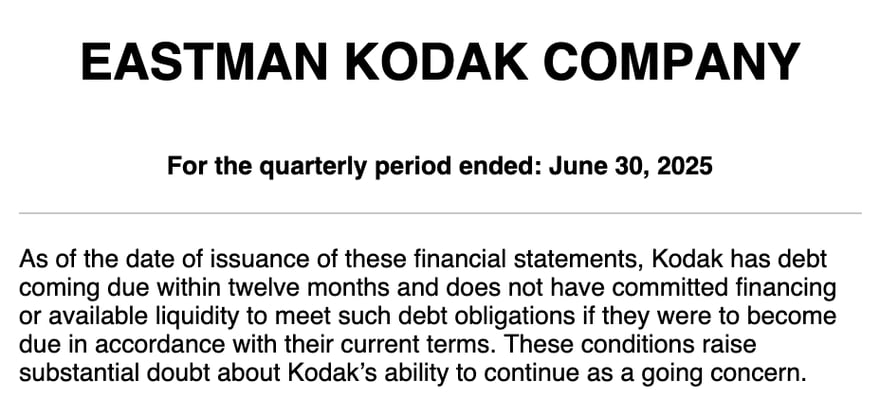
In August 2025 many media outlets reported that “Kodak may not survive”. This section uses only first-hand documents from the US Securities and Exchange Commission (SEC) to set out the timeline.
| Date | Document | Content |
|---|---|---|
| Filed 11 Aug 2025 |
Kodak Q2 2025 10-Q | The company had debt coming due within 12 months but no committed financing and not enough available liquidity to repay it, so there was “substantial doubt about the company’s ability to continue as a going concern”; cash on hand at 30 June 2025 was US$155 million, of which US$70 million was in the US |
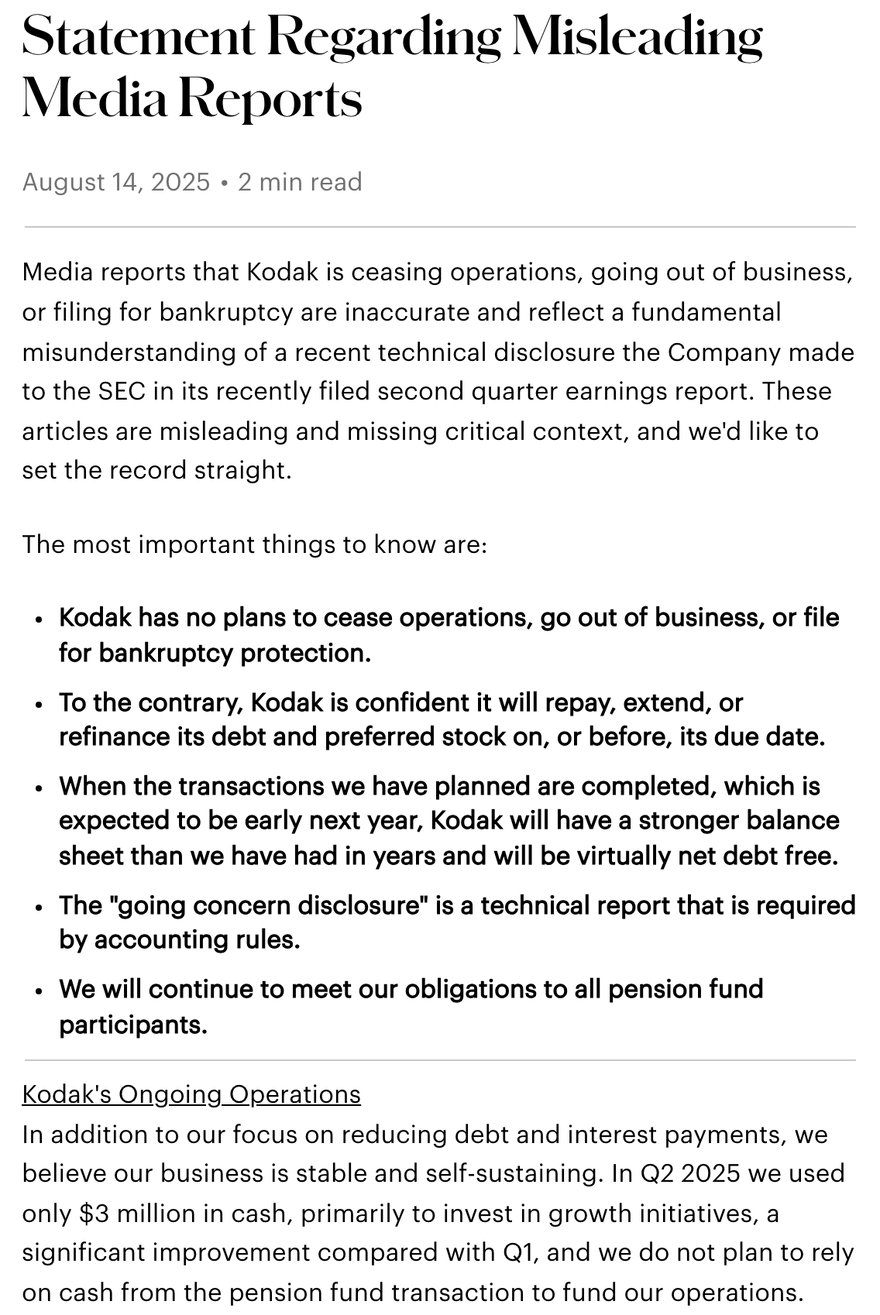
| 14 Aug 2025 | Kodak official statement | This was a technical disclosure required by accounting standards, with no plans to cease operations or file for bankruptcy; only US$3 million of cash was used in the second quarter |
| Filed Nov 2025 |
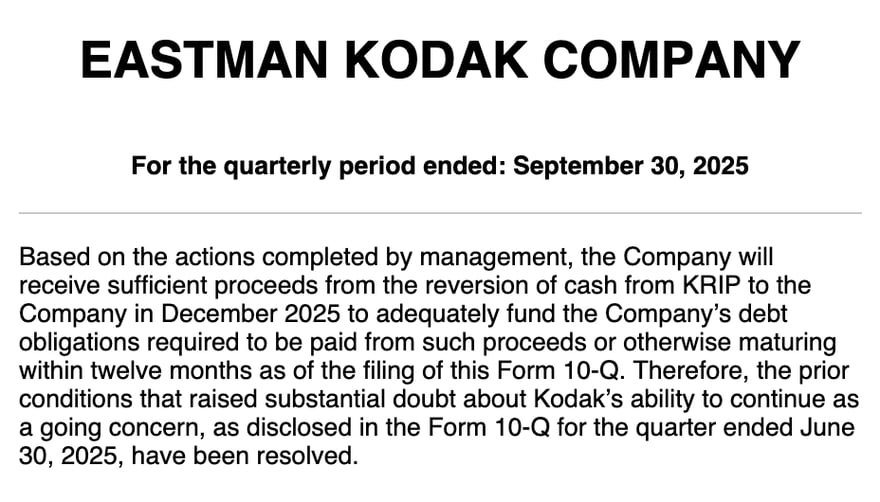
Kodak Q3 2025 10-Q | Surplus money from winding up the US pension plan (KRIP) was expected to return to the company in December 2025, enough to repay the debt due within 12 months; the earlier doubt “has been resolved” |
The conclusion from this table: the warning was a financial-structure problem, it took about three months from announcement to resolution, and it was caused by debt coming due while the pension money had not yet come back, not by how well the film business was doing.
In the same third-quarter 10-Q, the Advanced Materials and Chemicals segment, which includes film, had third-quarter revenue of US$82 million, up 15% year on year; revenue for the first three quarters totaled US$231 million, up 14%. Note that this segment also includes motion picture film, industrial film and chemicals, and Kodak does not disclose consumer film revenue separately. In the same quarter, the print business made up 66% of Kodak’s total revenue; film is only a small part of Kodak, but it is the part that is growing.
Later results bear out this conclusion. The second-quarter results released in August 2026 (for the period ended 30 June 2026):
- Total revenue of US$311 million, up 18% year on year.
- Advanced Materials and Chemicals segment revenue of US$105 million, up 40% year on year.
- About US$101 million of term loan repaid in the first half, long-term debt down from about US$208 million at the end of 2025 to about US$108 million, and cash on hand of US$290 million.
Again, note that the 40% is growth for the whole segment; the report does not say separately how much still film sold.
So the inference “Kodak is going under, so film is going away” fails at both steps: the company’s problem was not film, and the film business is actually growing.
7. Film prices: down in the US, up in Japan
US: Gold 200 back down from US$11 to US$9
| Film | 4/2019 | 1/2022 | 7/2026 |
|---|---|---|---|
| Portra 400 | 7.80 | 12.80 | about 17.85 |
| Gold 200 | 4.50 | 11.00 | about 8.99 |
| Ektar 100 | 6.75 | 16.00 | about 16.00 |
| X-TRA 400 | 3.33 | 7.33 | Discontinued |
Prices are in US dollars for a single roll of 135 film, 36 exposures; the 2026 Portra 400 price is worked out from a five-pack and Ektar 100 from a ten-pack, and X-TRA 400 means Fujicolor Superia X-TRA 400. The 2019 and 2022 prices come from Fstoppers’ compilation of archived web pages from the US camera store B&H, and the 2026 prices come from the film price comparison site pellica’s July 2026 roundup. The sources differ and the pack sizes are not exactly the same, so the table is only good for seeing the direction.
The direction is clear: 2019 to 2022 were three years of soaring film prices, with Gold 200 up about 144%; but after 2022, the consumer-grade Gold 200 actually fell back to around US$9, while the professional-grade Portra 400 kept climbing. For the consumer film most people use, the most expensive days are behind us.
Silver up 140% in a year, retail prices up only 2.5%
In theory, the light-sensitive material in film is silver halide, so a rise in silver should show up in film prices. In 2025 silver went from about US$30 an ounce to an intraday high above US$82, an annual rise of close to 140%, and the market at one point worried that film would jump in price. The price-increase news over this period included:
- Kodak Alaris announced increases of 1% to 39% depending on the product from 1 February 2026, citing sharp rises in silver and component costs (as relayed by the Dutch retailer Analogspace); earlier, prices rose an average of 17% in March 2023 and 5% to 8% for most products in January 2025.
- In April 2025, in response to US tariffs, Harman raised prices of Ilford and Harman film and paper in the US market by 11% and liquid chemicals by 12%, with no increase for the Phoenix range.
- Fujifilm raised prices in Japan in both 2025 and 2026 (see the next subsection).
But actual retail prices did not soar along with them. The film review site Analog Cafe tracked 13 retailers and 37 films and found an average rise of only 2.5% in the first half of 2026. Individually, Kodacolor 200 rose 10.5%, while Ektapan 400 actually fell 4.9% and UltraMax 400 fell 2.6%.
I have not found a direct explanation for the gap between announced increases and actual retail prices. One possible reason is that over the same period Eastman Kodak took back distribution and priced its new packaging lower than the Alaris versions, offsetting part of the increases; but that is my speculation, and no source confirms it.
Japan: Fujifilm keeps raising prices, and QuickSnap jumped 44% in one go
| Effective | Change |
|---|---|
| 1 Apr 2022 | Film up 20% to 60%; from May, color paper up 10% to 20% and processing chemicals about 10%; from June, professional lab services up 8% to 94% |
| Jun 2023 | Fujifilm QuickSnap (写ルンです in Japan) up about 13% |
| 1 Apr 2025 | 135 color negative film up about 21% to 22%, QuickSnap up about 44%, slide film up about 31% to 52%; QuickSnap’s direct-sale price rose from 1,980 yen to 2,860 yen |
| 1 Apr 2026 | QuickSnap up another 5% or so (about 2,990 yen, according to Nikkei); instax mini film up about 22% to 27% |
Of the two markets, Japan is where prices have risen the most. Each time, Fujifilm’s official reason has been rising costs for raw materials, parts and shipping.
The QuickSnap single-use camera went from 1,380 yen at its 1986 launch to about 2,990 yen in 2026, yet according to a Nikkei report in July 2025, even after the price rises, electronics chains in Tokyo often sold out as soon as stock arrived and limited purchases to one per person. The full story of the single-use camera line is in the 40-year industry history of 写ルンです (in Chinese).
8. The newcomers: Harman Phoenix, Lucky C200, ORWO
Of the five factories, the last three have all made new moves in the 2020s, giving color negative film a few more sources of supply:
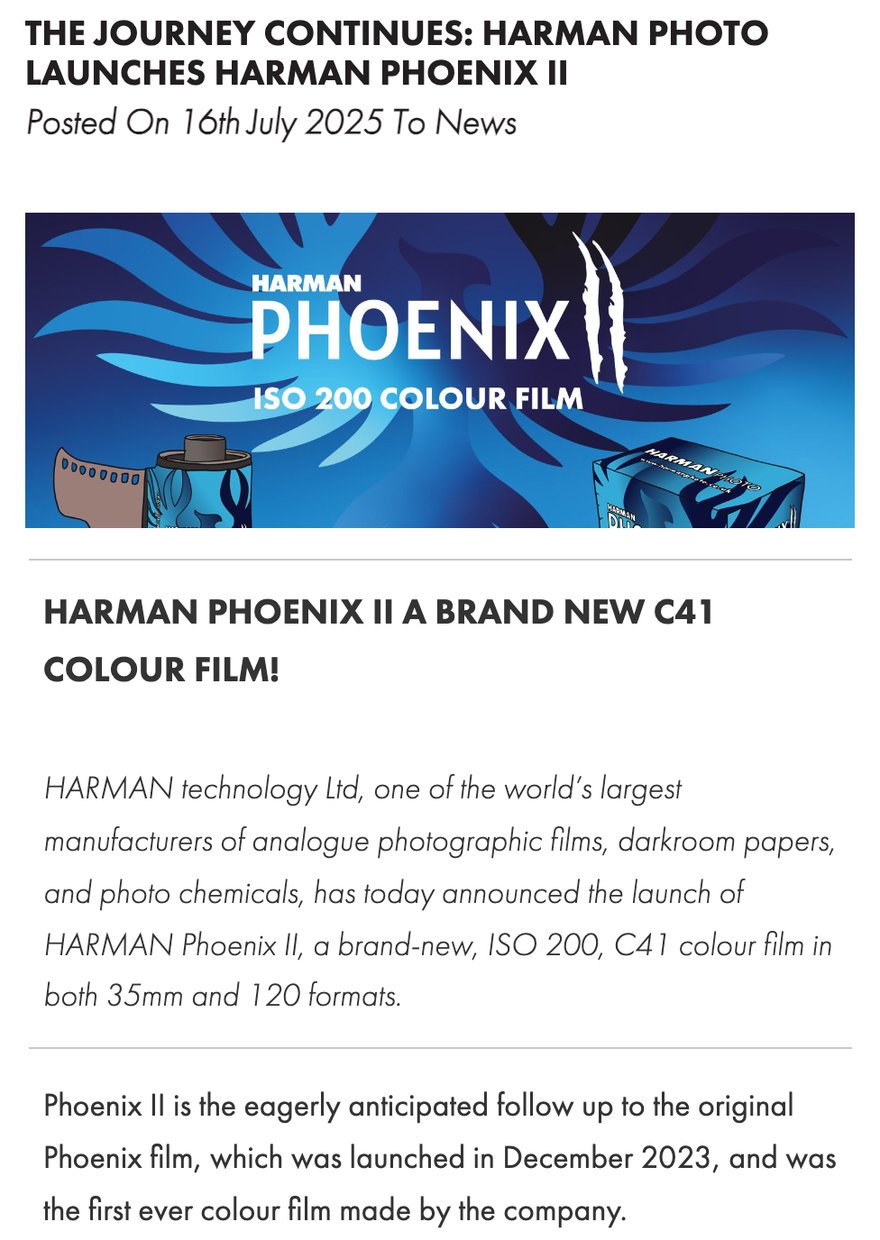
- Harman launched Phoenix 200 on 1 December 2023, the factory’s first color film of its own design and its own coating. Because of trademark restrictions it cannot sell color film under the Ilford name, so it carries Harman’s own name. On 16 July 2025 it launched Phoenix II (135 and 120), with every color layer redesigned to bring contrast, color and grain closer to typical color negative film.
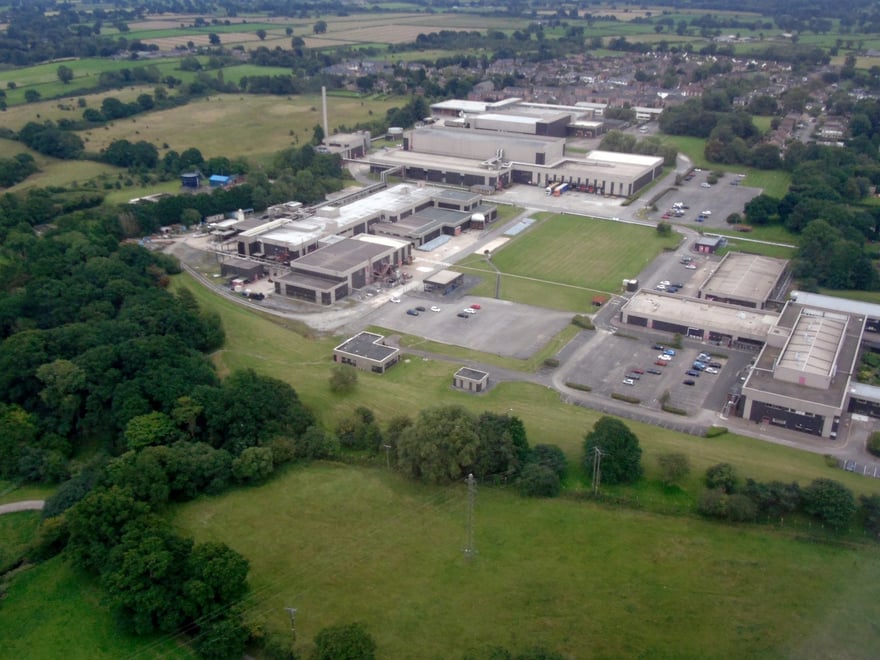
- In 2024 Harman secured eight-figure sterling financing from Lloyds Bank, and a new converting machine will at least double its annual output of film cassettes; the Mobberley site covers 48 acres and employs about 200 people.
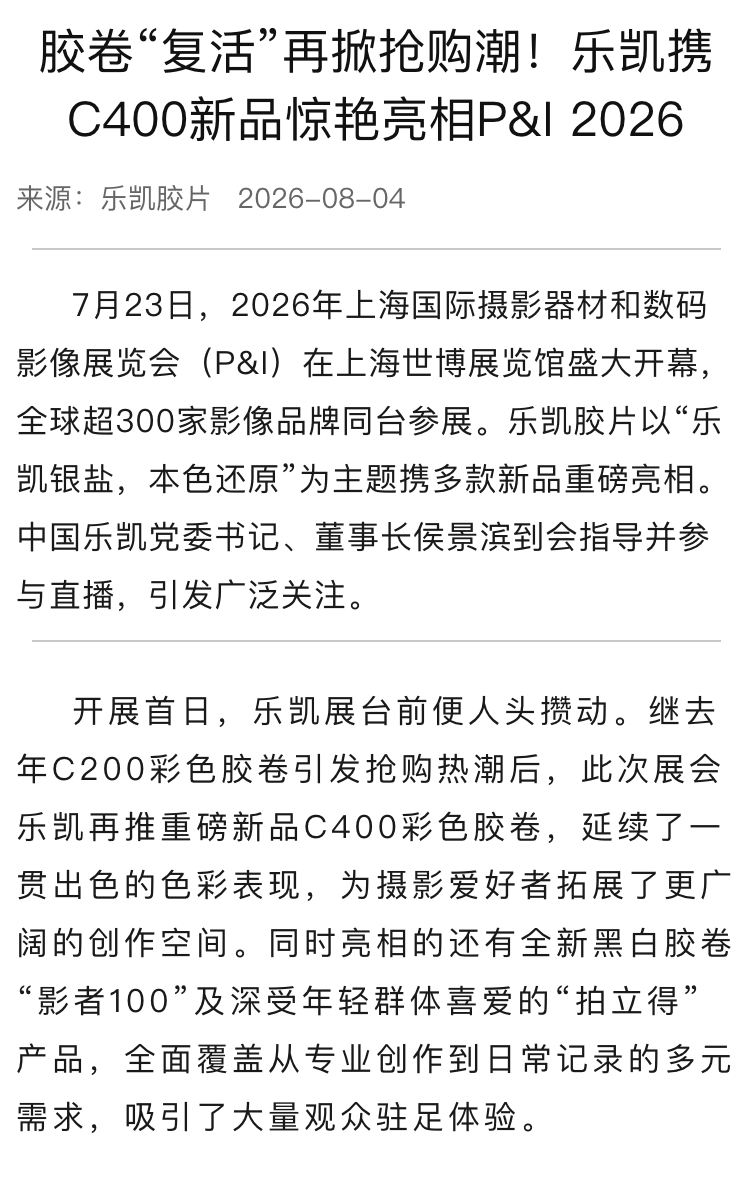
- Lucky stopped making color film in 2012; the newly developed Lucky C200 went on sale in small quantities in China from 2025 and reached US retail in June 2026.
- In March 2026 Harman also launched Switch Azure 125, an experimental color negative film with the color couplers deliberately swapped, producing unusual color shifts and high saturation; it is positioned as a creative film, not an everyday film like Phoenix.
- ORWO (InovisCoat)’s Wolfen NC500 is a color negative film based on an Agfa motion picture film formula. In July 2026 Germany’s Optik Oldschool took over the coating plant InovisCoat and FilmoTec/Original Wolfen; the factory has a new owner, and where the product line goes from here remains to be seen.
- Also in China, Light Lens Lab released sample images from a black-and-white film with its own new emulsion in January 2025; it is not a color negative film yet.
What these newcomers have in common is that their volumes are all still small and they won’t shake Kodak’s position in the short term, but they are starting to give the risk of “color negative film depending too heavily on one Kodak factory” a backup.

How big is the market: I only cite the manufacturers’ own statements
For the size of the film market, I use only what the manufacturers themselves say:
- Kodak says its still film output at least doubled from 2015 to 2019, growing 15% to 30% a year.
- Harman said in a 2024 interview that over roughly the past eight years the market had grown steadily by 4% to 5% a year, driven by new young users.
I don’t cite market research firms’ figures, because they don’t agree with each other and their methods can’t be checked. For example, one report puts the film camera market at US$638 million in 2025 and another at US$278 million in 2023, more than double apart over two years; figures like “120 million rolls of film produced worldwide in 2024” also come with no traceable calculation. Rather than cite a number when I don’t know how it was produced, it is better to use only the statements of manufacturers who stand behind their own numbers, even though those only cover what they choose to make public.
9. Film isn’t dying, it’s concentrating: what that means for single-use and point-and-shoot camera users
Put the previous eight sections together and the conclusion is: film is not dying. Kodak’s still film output doubled from 2015 to 2019 and the segment that includes film is still growing, Fujifilm is expanding its instant film plant, and Harman and Lucky are launching new products. What is really happening is concentration: color negative supply is converging more and more on one Kodak factory; there are more and more brands, but no more factories.
Concentration cuts both ways for consumers. The upside is that scale has stabilized prices: Gold 200 in the US fell from US$11 to US$9, and the sharp rise in silver did not noticeably show up in retail prices (an average rise of only 2.5% in the first half of 2026). The downside is single-point risk: when Kodak stops its lines for five weeks or distribution rights change hands, several brands on the shelf run short or get renamed at the same time.
What this means differs by user:
- If you shoot everyday photos on a point-and-shoot film camera, you can treat Kodak Gold 200 and the US-made Fujifilm 200 as films that match on the same set of curves, so it makes sense to buy whichever is cheaper at the moment, because their data-sheet curves are the same and the differences are mainly packaging and retail pricing. For the background of point-and-shoot cameras themselves, see What is a point-and-shoot camera: 1977 to 2026 (in Chinese).
- If you are used to shooting Portra, there is no need to stockpile or pay extra for “the last Portra”, because Ektacolor Pro is the same emulsion under a new name; what matters is the expiry date and storage condition, not the name on the box.
- If you want to try a different look, Lucky C200 and Harman Phoenix II are genuine options from different factories; the prices this article found in Taiwan in September 2026 were about the same as Gold 200, so the cost of experimenting is low.
- If you buy single-use cameras, you usually don’t know whose film is inside: QuickSnap’s official specs only say “ISO 400 135 negative film” without naming a brand, and I could not find out whether it currently contains Japanese-made film or film made by Kodak.
- If you use single-use cameras and care about the environment, it is worth knowing that “disposable” isn’t really disposable: Fujifilm opened a QuickSnap (写ルンです) recycling center in 1990 and in 1998 integrated recycling and reuse with production into a single closed-loop production system; according to 2005 data, the recyclable share by weight had already reached 95%. This is also one of the reasons the camera body is not returned to you after processing.
The last link people often overlook is processing. Film prices have stabilized, but processing is getting more expensive (for example, a lab in Taipei raised its price for developing 135 color negative film in February 2026, citing the cost of chemicals and consumables); to work out the total cost of a roll of film, count processing and scanning as well.
Further reading
- Single-use cameras, instant cameras and point-and-shoot cameras compared (in Chinese): how each produces prints, the cost per shot and how to choose; the overview of this series.
- Why are single-use cameras popular again? 40 years of 写ルンです (in Chinese): the industry history of Fujifilm’s single-use camera, from a peak of 89.6 million units to still being rationed after a 44% price rise.
- What is a point-and-shoot camera (in Chinese): the history of point-and-shoot cameras from 1977 to 2026 and CIPA shipment data.
- Instant camera industry history: Polaroid and instax, the kind of film that really makes Fujifilm money.
- Why photo booths use dye sublimation: six photo printing technologies, and another example of “the money is in the consumables, and the supply chain is more concentrated than it looks”.
Appendix: what I could not find
I looked into these questions but could not find reliable answers, so this article does not state conclusions on them and does not fill the gaps with estimates:
- Whether the color negative film Fujifilm sells in Japan is now coated in-house or outsourced: two overview sources say opposite things, and Fujifilm has given no first-hand explanation.
- Whether the film currently in QuickSnap (写ルンです) is Japanese-made or made by Kodak: the official specs only say ISO 400 135 negative film.
- Whether Kodak’s single-use cameras (FunSaver and others) are currently distributed by Kodak Alaris or Eastman Kodak: the Alaris website still lists these models.
- Kodak’s separate revenue from consumer film: the financial reports only disclose the whole segment, which includes motion picture and industrial film.
- Film shipment volumes or annual growth rates in Japan in recent years.
- QuickSnap’s recycling rate and parts reuse rate in the 2020s, and the recycling rate for Kodak’s single-use cameras.
- The exact reason retail price rises in the first half of 2026 were far below the increases Alaris announced.
Appendix: sources
- List of five color negative film factories: Analog Cafe, “Lucky C200 film review”, checked 2026-09-25: https://www.analog.cafe/r/lucky-c200--film-review-p0zm
- Overview of factories and rebranding brands: cameragx, “Who’s really manufacturing film in 2025”, 2025-09-09: https://cameragx.com/2025/09/09/whos-really-manufacturing-film-in-2025/
- Harman Phoenix 200 launch: PetaPixel, 2023-12-01: https://petapixel.com/2023/12/01/harman-photos-brand-new-color-film-is-called-phoenix-200/
- Harman Phoenix II launch: Kosmo Foto, 2025-07: https://kosmofoto.com/2025/07/harman-technology-releases-phoenix-ii-colour-negative-film/
- Harman Switch Azure 125 launch: Analog Cafe, “Film photography news March 2026 recap”, 2026-03: https://www.analog.cafe/r/film-photography-news-march-2026-recap-k49r
- Harman financing, capacity and market growth statements: The Manufacturer, 2024-07-09: https://www.themanufacturer.com/articles/iconic-film-brand-on-a-roll-following-multi-million-investment/
- Harman US price rises due to tariffs: PetaPixel, 2025-04-11: https://petapixel.com/2025/04/11/harman-is-raising-us-ilford-film-and-paper-prices-in-response-to-tariffs/
- ORWO Wolfen NC500: Casual Photophile, 2023-05-17: https://casualphotophile.com/2023/05/17/wolfen-nc500-color-film-review/
- InovisCoat’s location (Monheim am Rhein) and Optik Oldschool’s July 2026 takeover of InovisCoat and FilmoTec/Original Wolfen: Kosmo Foto, 2026-07: https://kosmofoto.com/2026/07/optik-oldschool-takes-ownership-of-inoviscoat-and-filmotec-the-home-of-original-wolfen-films/ and the ChemEurope company page: https://www.chemeurope.com/en/companies/1041223/inoviscoat-gmbh.html
- Lucky’s new C400 and C200 sales: China Lucky Group website news, 2026-08-04: https://www.luckyfilm.com/index/Article/info.html?cate=27&id=8260
- Lucky and new Chinese emulsions: Kosmo Foto, 2025-04: https://kosmofoto.com/2025/04/chinese-companies-are-setting-their-sights-on-a-new-prize-film/
- Lucky C200 arriving in the US: PetaPixel, 2026-06-02: https://petapixel.com/2026/06/02/china-luckys-new-color-c200-film-has-arrived-in-the-us-and-looks-great/
- Foma product range: Foma Bohemia website, checked 2026-09-25: https://www.foma.cz/en/photomaterials
- ADOX equipment and coating plans: Wikipedia, “ADOX”, checked 2026-09-25: https://en.wikipedia.org/wiki/ADOX
- CineStill’s rem-jet removal: Wikipedia, “Cinestill”, checked 2026-09-25: https://en.wikipedia.org/wiki/Cinestill
- Fujicolor 200 vs Kodak Gold 200 data-sheet comparison: PetaPixel, 2022-01-10: https://petapixel.com/2022/01/10/fujifilms-new-fujicolor-200-looks-to-be-kodak-gold-200-in-disguise/
- Fujifilm 400 (made in the US) vs Kodak UltraMax 400 comparison: 35mmc, 2023-07-11: https://www.35mmc.com/11/07/2023/fujifilm-400-made-in-the-usa-vs-kodak-ultramax-400-the-same-or-different/
- Fujifilm Japan suspends orders: PetaPixel, 2023-03-29: https://petapixel.com/2023/03/29/fujifilm-japan-stops-accepting-orders-for-color-film-amid-supply-issues/
- Superia X-TRA 400 discontinued: Kosmo Foto, 2024-04: https://kosmofoto.com/2024/04/fujifilm-axes-fujicolor-superia-x-tra-400/
- 400H and X-TRA 400 wrongly listed on the official site: PetaPixel, 2025-06-30: https://petapixel.com/2025/06/30/fujifilm-says-beloved-400h-and-superia-films-remain-discontinued/
- instax investment at the Ashigara factory: Fujifilm press release, 2025-12-18: https://www.fujifilm.com/es/en/news/hq/13167
- instax revenue and the imaging business’s share of profit: Nikkei, 2025-12: https://www.nikkei.com/article/DGXZQOUC181H60Y5A211C2000000/
- Kodak output doubling from 2015 to 2019: Kosmo Foto, 2020-01: https://kosmofoto.com/2020/01/eastman-kodaks-still-film-production-more-than-doubled-in-the-last-four-years/
- Kodak hiring and 24-hour finishing: WXXI News, 2022-10-14: https://www.wxxinews.org/local-news/2022-10-14/eastman-kodak-is-trying-to-fill-jobs-for-film-manufacturing
- Kodak’s November 2024 shutdown for upgrades: Kosmo Foto, 2024-11: https://kosmofoto.com/2024/11/eastman-kodak-pauses-all-film-production-in-november-to-upgrade-manufacturing-plant/
- Kodak Alaris history and sale: Wikipedia, “Kodak Alaris”, checked 2026-09-25: https://en.wikipedia.org/wiki/Kodak_Alaris
- Eastman Kodak resumes direct sales of consumer film: DPReview, 2025: https://www.dpreview.com/articles/9968457398/eastman-kodak-has-resumed-direct-sales-of-consumer-film-after-more-than-a-decade/
- Ektar and Tri-X taken back: PetaPixel, 2026-01-21: https://petapixel.com/2026/01/21/ektar-and-tri-x-are-now-being-distributed-directly-by-kodak/
- Ektachrome taken back: PetaPixel, 2026-02-12: https://petapixel.com/2026/02/12/ektachrome-slide-film-is-now-distributed-directly-by-kodak/
- Portra renamed Ektacolor Pro and T-Max renamed Ektapan: Kosmo Foto, 2026-03-24: https://kosmofoto.com/2026/03/eastman-kodak-reveals-new-ektacolor-pro-and-ektapan-film-ranges/ and PetaPixel, 2026-03-24: https://petapixel.com/2026/03/24/kodaks-ektacolor-pro-film-is-the-new-name-of-the-beloved-portra/
- Kodak’s full return to its own distribution, Kodacolor as renamed Pro Image 100/ColorPlus 200, and new packaging pricing: Kosmo Foto, 2026-04: https://kosmofoto.com/2026/04/eastman-kodak-is-distributing-all-its-films-again-what-happens-next/
- Kodak Q2 2025 10-Q (going-concern doubt, cash, backlog): SEC, filed 2025-08-11: https://www.sec.gov/Archives/edgar/data/31235/000095017025106568/kodk-20250630.htm
- Kodak official statement, 2025-08-14 (date shown on the web page): https://www.kodak.com/en/company/blog-post/statement-regarding-misleading-media-reports/
- Kodak Q3 2025 10-Q (doubt resolved, segment revenue): SEC, filed 2025-11: https://www.sec.gov/Archives/edgar/data/31235/000119312525269608/kodk-20250930.htm
- Kodak Q2 2026 earnings press release (revenue, segment, debt and cash): SEC, filed 2026-08, checked 2026-10-27: https://www.sec.gov/Archives/edgar/data/0000031235/000119312526332861/kodk-ex99_1.htm
- US film prices in 2019 and 2022: Fstoppers, 2022-02-16: https://fstoppers.com/film/does-chart-reveal-kodak-self-imploding-again-are-other-film-manufacturers-595687
- US film prices in 2026: pellica, updated 2026-07-03: https://pellica.app/blog/film-prices-2026-guide/
- First-half 2026 retail price tracking: PetaPixel report on the Analog Cafe survey, 2026-07-09: https://petapixel.com/2026/07/09/report-shows-that-despite-some-shifts-film-prices-remain-stable/
- Silver prices and film: PetaPixel, 2025-12-29: https://petapixel.com/2025/12/29/will-skyrocketing-silver-prices-make-photo-film-even-more-expensive/
- Kodak Alaris February 2026 price rise: Analogspace (Dutch retailer), 2026-01: https://analogspace.nl/blogs/news/kodak-alaris-film-price-increase-2026
- Kodak Alaris March 2023 price rise: Kosmo Foto, 2022-12: https://kosmofoto.com/2022/12/new-kodak-alaris-price-rises-announced-for-march-2023/
- Kodak Alaris January 2025 price rise: Kosmo Foto, 2024-11: https://kosmofoto.com/2024/11/kodak-alaris-announces-price-rises-for-january-2025-but-tri-x-is-getting-cheaper/
- Fujifilm Japan 2022 price rises: デジカメ Watch, 2022-03: https://dc.watch.impress.co.jp/docs/news/1399275.html
- Fujifilm Japan 2025 price rises: Fujifilm Imaging Systems notice, 2025-04: https://www.fujifilm.com/ffis/ja/news/177 ; Nikkei, 2025-04: https://www.nikkei.com/article/DGXZQOUC02CZ00S5A400C2000000/ ; デジカメ Watch, 2025-04-02: https://dc.watch.impress.co.jp/docs/news/2003382.html
- Fujifilm Japan 2026 price rises: Fujifilm Imaging Systems notice, 2026-03-31: https://www.fujifilm.com/ffis/ja/news/188 ; デジカメ Watch, 2026-04-01: https://dc.watch.impress.co.jp/docs/news/2098168.html
- QuickSnap (写ルンです) 2026 price of about 2,990 yen: Nikkei, 2026-06: https://www.nikkei.com/article/DGXZQOUC2984J0Z20C26A6000000/
- QuickSnap’s renewed popularity and purchase limits: Nikkei Business, 2025-07-08: https://business.nikkei.com/atcl/gen/19/00155/070700250/
- QuickSnap specifications: Fujifilm Japan website, checked 2026-09-25: https://www.fujifilm.com/jp/ja/consumer/films/utsurundesu/specifications
- QuickSnap recycling and closed-loop production: Fujifilm Japan website, checked 2026-09-25: https://www.fujifilm.com/jp/ja/about/sustainability/environment/promote-recycling-of-resources
- 2005 recycling data: Japan for Sustainability, 2005-02: https://www.japanfs.org/sp/ja/news/archives/news_id027301.html
- Kodak single-use camera product page: Kodak Professional, checked 2026-09-25: https://www.kodakprofessional.com/photographers/film/single-use-cameras
- Market research figures (not cited in this article, listed only to explain why): Market Reports World: https://www.marketreportsworld.com/market-reports/film-camera-market-14722876 and Cognitive Market Research, checked 2026-09-25: https://www.cognitivemarketresearch.com/film-camera-market-report
Image sources
The photos and diagram in this article are all openly licensed files from Wikimedia Commons, with authors and licenses also credited under each image; there are also 6 screenshots of manufacturer websites and SEC documents, used as cited evidence and cropped to the parts relevant to the text.
- Section 1, color negative film layer structure diagram (drawn from the Fujifilm Superia 200 data sheet): drawn by Bostwickenator, CC BY-SA 4.0. Original: https://commons.wikimedia.org/wiki/File:Fujicolor_superia_film_structure.svg
- Section 4, Kodak Gold 200 retail packaging: photo by Willwongprd, CC BY-SA 4.0. Original: https://commons.wikimedia.org/wiki/File:Kodak_Gold_200_Film_Retail_Package.jpg
- Section 4, Fujifilm Superia X-TRA boxes and cassettes: photo by Nxr-at, CC BY-SA 4.0. Original: https://commons.wikimedia.org/wiki/File:Fujifilm_135_film_cartridges_Superia_X-TRA_200_400_800.JPG
- Cover and section 5, Kodak Park in Rochester (2010): photo by DanielPenfield, CC BY-SA 3.0; this site cropped the cover to 16:9. Original: https://commons.wikimedia.org/wiki/File:Kodak_Park_from_Seneca_Park.JPG
- Section 8, aerial view of the Harman Technology Mobberley site (2023): photo by Thomas Nugent, CC BY-SA 2.0. Original: https://commons.wikimedia.org/wiki/File:Harman_Technology_Mobberley_site_from_the_air_-_geograph.org.uk_-_7628118.jpg
- Section 5, Kodak EKTACOLOR PRO 400 product page (screenshot): Kodak website, captured 25 September 2026, cited as evidence: https://www.kodak.com/en/still-film/product/professional/ektacolor/ektacolor-pro-400-film/
- Section 6, going-concern passage in Kodak’s Q2 2025 10-Q (screenshot): SEC EDGAR, captured 25 September 2026, cited as evidence: https://www.sec.gov/Archives/edgar/data/31235/000095017025106568/kodk-20250630.htm
- Section 6, Kodak official statement (screenshot): Kodak website blog, captured 25 September 2026, cited as evidence: https://www.kodak.com/en/company/blog-post/statement-regarding-misleading-media-reports/
- Section 6, doubt-resolved passage in Kodak’s Q3 2025 10-Q (screenshot): SEC EDGAR, captured 25 September 2026, cited as evidence: https://www.sec.gov/Archives/edgar/data/31235/000119312525269608/kodk-20250930.htm
- Section 8, Harman Phoenix II press release (screenshot): Harman Technology website, captured 25 September 2026, cited as evidence: https://www.harmantechnology.com/the-journey-continues-harman-photo-launches-harman-phoenix-ii/
- Section 8, Lucky C400 launch news (screenshot): China Lucky Group website, captured 25 September 2026, cited as evidence: https://www.luckyfilm.com/index/Article/info.html?cate=27&id=8260
Keywords: color film manufacturers, who makes color negative film, film supply chain, is Fujifilm film made by Kodak, Fujifilm 200, Kodak Gold 200, is Kodak Portra discontinued, Portra renamed Ektacolor Pro, Kodak Alaris, film prices 2026
Frequently asked questions
Which factories in the world still make color negative film?
About five factories can still coat their own color negative film: Eastman Kodak in the US, Fujifilm in Japan, Harman Technology in the UK, ORWO (InovisCoat) in Germany and Lucky in China. Only Kodak and Fujifilm produce it in volume; Harman launched the first color film of its own in the factory’s history only in 2023, and Lucky stopped making color film in 2012 and only returned in 2025 with C200.
Is Fujifilm 200 film made by Kodak?
For the Fujifilm 200 and 400 sold in the US, comparisons and industry opinion both point to Kodak making them: the data-sheet curves of Fujifilm 200 match Kodak Gold 200, the DX code of Fujifilm 400 corresponds to Kodak UltraMax 400, and the boxes say Made in USA. Fujifilm has not confirmed this and only says it works with multiple partners. Whether the Fujifilm color negative film sold in Japan is coated by Fujifilm itself is something sources contradict each other on, and there is no first-hand statement from Fujifilm.
Has Kodak Portra been discontinued?
No, it has been renamed. From 24 March 2026, new stock distributed by Eastman Kodak itself is called Ektacolor Pro (160, 400, 800), with the emulsion unchanged; the rename happened because the Portra trademark is held by the former distributor, Kodak Alaris. Film still labeled Portra on the shelf is stock made before the rename.
Is Kodak about to go bust?
In August 2025 Kodak wrote in its quarterly filing that there was “substantial doubt” about its ability to continue as a going concern. The reason was debt coming due within 12 months with no committed financing in place at the time, not weak film sales. Over the same period, revenue in the business segment that includes film grew 14% to 15%. Surplus money from winding up its US pension plan was expected to return to the company in December 2025, and in the third-quarter 10-Q filed in November 2025 Kodak declared the doubt resolved. By the end of June 2026 Kodak had repaid about US$100 million of its term loan, long-term debt stood at about US$108 million, and second-quarter revenue in the segment that includes film was up 40% year on year.
Why does film keep getting more expensive?
The official reasons are mostly raw materials, parts and shipping costs. Silver rose about 140% over 2025, and Harman also raised prices 11% because of US tariffs. But actual retail prices have not kept climbing: in the first half of 2026 the average price of 37 films at 13 retailers rose only 2.5%, and Kodak Gold 200 in the US actually fell from about US$11 in 2022 to about US$9 in 2026. The steepest rises were Fujifilm’s in Japan, where the Fujifilm QuickSnap single-use camera (写ルンです in Japan) went up about 44% in one go in April 2025.
Sources: Chinese original first published 2026-09-25 and revised 2026-10-28; most sources checked 25 September 2026, Kodak's second-quarter 2026 earnings checked 27 October 2026.
This English version is based on original Traditional Chinese content on joelin.cc. The language and explanations are localised for international readers. The Traditional Chinese original is the authoritative version — for its complete meaning, please read the original article.