This article is also available in: 繁體中文 · Tiếng Việt
Contents (6)
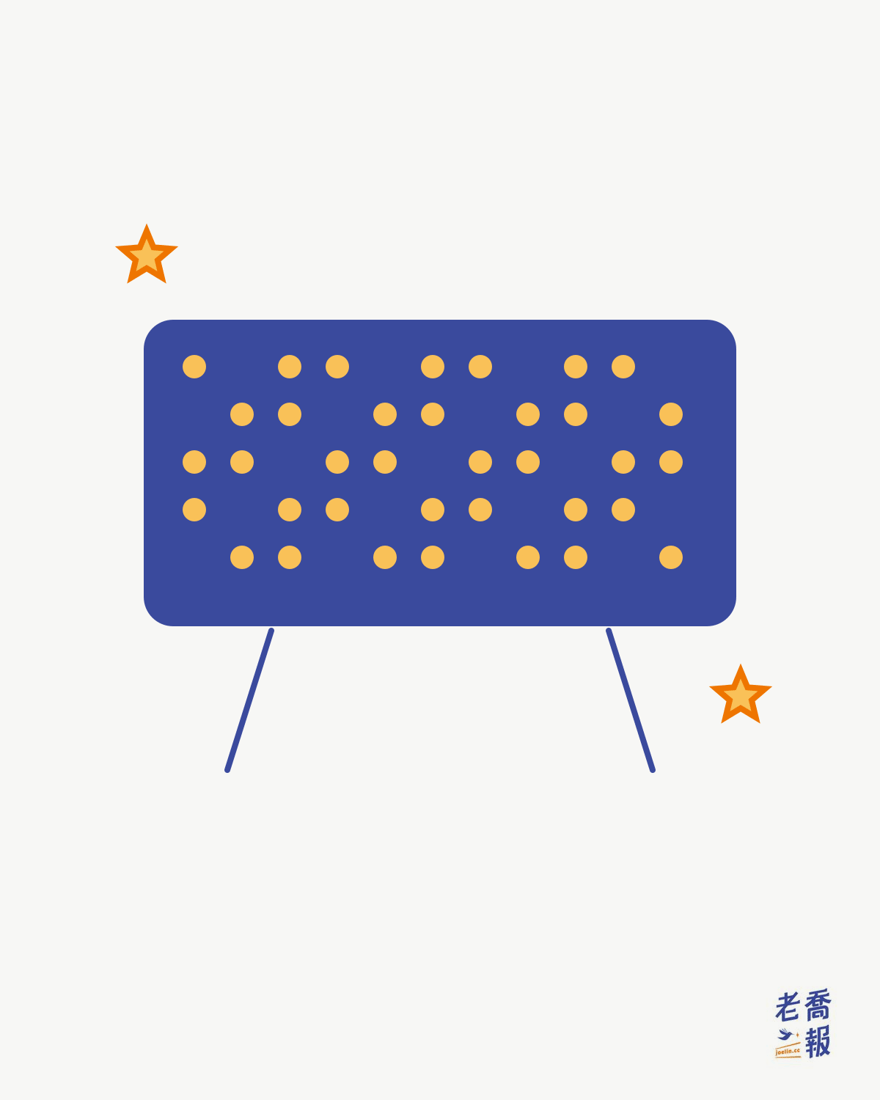
You may be able to bring one, but the place to check is different from what many people expect.
The venue websites examined for the original article often did not mention LED signs at all. Taipei Arena’s main-hall audience rules, for example, contained only six items. Their prohibited-items wording covered dangerous objects and pets, with an exception for guide dogs. It did not mention illuminated signs, fan-support items or boards.
What may stop your sign at the entrance is the organizer’s admission notice for that particular show. The same venue can have completely different rules for different organizers and performances. The examples below concern the Taiwan, Hong Kong and Macau context of the original article, not a universal concert policy.
1. Why the venue website may not answer the question
The venue rents out the space; the organizer puts on the event. Venue rules cover the building and public safety, such as fire precautions, evacuation, smoking and eating. The organizer decides how the performance itself is run.
That is why a venue may use a broad category such as “dangerous items,” while a specific sign restriction appears on the ticket page or in the organizer’s announcement.
The practical danger is checking only the venue website before making your sign and wrongly concluding, “It isn’t prohibited.”
2. Four common restrictions in organizer announcements
These types recur in recent concert notices from Taiwan, Hong Kong and Macau discussed by the original article. Each is set for an individual event; use your own performance’s notice.
| Restriction type | Example wording |
|---|---|
| Area limit | Posters and slogans larger in area than A3 are prohibited |
| Overall dimensions | Large items must not exceed 38 × 20 × 30 cm |
| Item category | LED signs, balloons and laser pointers are prohibited |
| Content | Flags and banners containing political slogans are prohibited |
A3 is 29.7 × 42 cm, roughly half an opened newspaper in the original article’s comparison. A sign designed to be readable from the back rows may already exceed that example limit. This is a common cause of wasted effort: a carefully made sign can still be refused.
Pay attention to wording such as “LED signs.” Some performances restrict the way an item emits light rather than its size: handwritten card may be permitted while an illuminated sign is not, regardless of area.
3. A second layer of rules applies inside
Even after admission, there are usually two further expectations in the event context discussed here:
- Do not hang up signs or any light-emitting item without permission. Fire safety and falling-object risks mean there are almost no exceptions to this rule in the original discussion.
- Lower signs during songs. This is not always written in the announcement, but staff may ask because signs directly block the view of people behind you. Do not design on the assumption that you can hold one up throughout the show.
4. Four checks before you make anything
flowchart TD
    A["Find the show notice"] --> B
    B["Check size and item limits"] --> C
    C["Then design the sign"] --> D
    D["Recheck before the show"] --> E
    E["Follow rules inside"]
This summarizes the checks explained here. The organizer’s notice for that performance decides what is allowed; silence does not mean permission.
- Find the admission notice for your specific show, usually in the ticket page’s event information, the organizer’s website or its official social account. A venue website alone is insufficient.
- Check area and overall-dimension limits, then decide the size. Making it first and checking later reverses the useful order.
- Check whether illuminated items are banned. If LEDs are prohibited, a non-illuminated banner is a possible alternative; size limits usually still apply.
- Check again during the week before the show. Organizers sometimes add announcements near the date, especially after safety incidents.
5. Alternatives if your sign is not allowed
If illuminated items are banned, a banner or handheld board may work. A fan banner is a narrow fabric or paper support item. It does not emit light, is compact and is easy to roll up, making it one of the less restricted formats. See fan-banner sizes and materials.
If the rule limits area rather than light emission, reducing a sign to within A3 may meet that particular limit. This does not override any other rule. See how large A3 is.
Official lightsticks are usually supplied or sold by the organizer and are commonly outside these sign restrictions, making them a safer choice. See official lightsticks versus ordinary glow sticks.
For other formats, see common types of fan goods.
Make your own image at the right size
Make text-based fan goods in the Chinese tool. Fan Support is operated by Joe. Text-goods editing is currently offered in the Chinese, Japanese and Korean tools; the English tool does not offer that product. Edit first; a free id.joelin.cc sign-in is required before downloading a PNG. The tool does not manufacture or ship physical goods. Original photos are processed in your browser; when you sign in and download, the finished design is saved to your member account for 14 days.
See how to choose Taiwan, Japan and Korea text-goods formats.
Keywords: concert LED signs, LED-sign rules, fan-item rules, admission notices, venue rules, fan-item size limits.
Sources: Chinese original first published 2026-09-10; revised 2026-10-24. Taiwan-specific services, practices and rules retain their original scope.
This English version is based on original Traditional Chinese content on joelin.cc. The language and explanations are localised for international readers. The Traditional Chinese original is the authoritative version — for its complete meaning, please read the original article.