
This article is also available in: 繁體中文 · Tiếng Việt
Contents (7)
飯制, also written 飯製, means idol merchandise that fans design and produce in small batches: photocards, stickers, acrylic stands, banners and fans all count. In the fandom distinction discussed here, these are neither official products nor anonymous commercial knockoffs. Fans make them out of affection, usually giving them away or sharing them at cost during birthday projects and group orders.
This page originally introduced only 飯繪, or fan art. Most people finding it were actually asking about 飯制. The terms often appear together because fan art is a common source of images for fan-made goods: fan art is the image; fan-made goods are the things made with it. The first half explains the goods, and the second preserves the original fan-art discussion.
What does 飯制 mean?
In fandom Chinese, 飯 represents the English word “fan,” and 制 means making something. Together they mean goods made by fans.
Common examples include:
- Photocards: the most common example, often using fansite photos or an illustrator’s fan art. Sizes generally follow album photocards; see photocard sizes.
- Stickers and transparent cards: inexpensive and easy to distribute, making them common birthday-project gifts.
- Acrylic stands and keyrings: higher unit costs mean group orders or preorders are common.
- Banners and handheld fans: concert support items that fans also make and distribute; see fan-banner sizes.
Distribution is distinctive too. Fan-made goods rarely appear in ordinary retail channels. In the Taiwan fandom context of this article, they are more often free birthday-café items, birthday-project gifts or fan-community group orders shared at close to cost. Fans often call these free giveaways 無料.
Fan-made goods, official merchandise and commercial unofficial goods
The original article distinguishes three categories:
| Category | Who makes it? | Official authorization? | Main purpose | Common distribution |
|---|---|---|---|---|
| Official merchandise, 官周 | Agency, official operator or licensed manufacturer | Yes | Commercial sale | Official stores, concert stalls, record shops |
| Fan-made goods, 飯制/飯製 | Identifiable fans, such as a fansite master, illustrator or project organizer | Cannot be inferred from the label; check permission for the artwork and intended uses | A fan hobby | Birthday cafés, birthday projects, fan group orders |
| Commercial unofficial goods, 野周 | Sellers whose source is unclear | Usually unauthorized, but this still needs checking | Profit | E-commerce platforms |
The important distinction is between the last two rows. Who makes the goods and why are separate questions from whether their images are authorized; the labels alone cannot establish permission. Fan-made items have an identifiable maker, small quantities and prices near cost. Commercial unofficial goods are mass-produced for profit, often reusing official pictures or cropping fansite watermarks off photos before printing. Within these fan communities, buying fan-made goods is often seen as supporting fellow fans, whereas buying these commercial goods is seen as harming official creators and fansite photographers.
Are fan-made goods official or licensed?
Fan-made goods are not the same as official products. However, being made by a fan does not necessarily mean the maker lacks permission to use the artwork. Official-product status and permission to use photographs, illustrations and likenesses need separate checks.
The material used matters:
- Official photographs: identify the holder of the economic rights and check their usage policy. Official publication does not by itself permit reproduction; any existing permission must cover the actual use.
- Fansite photographs: copyright belongs to the fansite photographer, whose permission is needed. Posts may specifically prohibit editing or commercial use.
- An illustrator’s original fan art: the illustrator owns the drawing’s copyright, but depicting a real idol still raises likeness-use questions.
Free distribution, personal use, small exchanges between fans and a rights holder’s failure to object do not automatically grant permission. In Taiwan, the Intellectual Property Office’s April 17, 2026 explanation says making photos into personal merchandise may involve reproduction or adaptation; sharing the result online separately involves public transmission. Unless an exception such as fair use applies, permission from the holder of the economic rights should generally be obtained first. Fair use and likeness-use questions need separate assessment under the rules applicable to each case, and sales also require checking the scope of commercial use. See Can you use official photos for fan projects? for the practical checks.
How to distinguish fan-made goods from commercial unofficial merchandise
For an unofficial item, ask:
- Can you identify the maker? Fan makers usually publish their account and event information; anonymous commercial goods often have no traceable maker.
- What are the quantity and price? Fan-made goods are small batches at close to cost or free. Commercial unofficial goods are stocked in quantity on ordinary e-commerce product pages.
- Has the image source been altered? A cropped-out or painted-over fansite watermark is a particularly clear warning sign.
When unsure, the safest option is to buy licensed goods from the idol’s official store or obtain fan-made items through the public account of the fansite master or project organizer.
What is 飯繪, or fan art?
飯繪 means an idol illustration drawn by a fan or commissioned from an illustrator. It is one of the most common image sources for fan-made goods. The following retains Joe’s original introduction.
Joe sees fan art as an important part of fan-support culture. Affection for a favorite idol leads many fans to hire illustrators or other artists to represent that person as an illustration or anime-style character.
In this context, fan art covers illustrations and comics made by fans around an idol or group. They usually depict the artist’s appearance or a scene involving them, expressing affection and support.
Some works use anime-inspired, cute or cartoon styles; others pursue a realistic likeness. In Joe’s observations at the time of the original article, anime-style work was more common.
Idol birthdays are a particularly common occasion for giving or displaying fan art. Most fans doing this are motivated by affection, though a minority treat it as a business.
Think of an illustrator’s portrait commission, often rendered in a chibi style. An example is this fan event on the Snapshot 妞拍貼 website (Chinese).
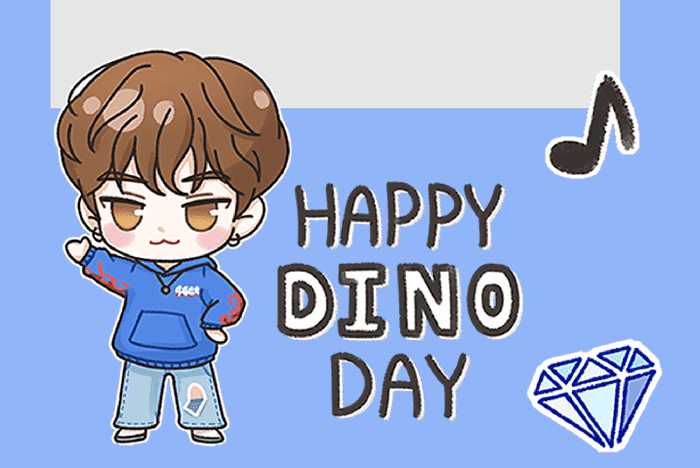
This form of creation has spread widely online and received substantial appreciation. Fans share their work on social media to talk and interact with other fans.
As Joe understands it, the work comes both from fans who can draw and from fans who hire illustrators or freelance creators, simply to show their favorite idol in a style they love.
How do fan art and fan-made goods relate?
In one sentence: fan art is the image; fan-made goods are the objects.
A chibi idol illustration is fan art. Print it on photocards, stickers or stands for a birthday giveaway, and those physical objects are fan-made goods. Besides illustrations, another major image source is fansite photography; see what a fansite master does.
For more related topics:
- Terms such as 飯姐, 飯拍, 飯撒 and 飯咪 appear in the fandom vocabulary guide.
- For making goods, see design apps and printing options and common kinds of fan goods.
- One common setting is a birthday café; see how birthday cafés work and what they cost.
- For definitions, origins and the database index, see what fan support means.
Make your own image at the right size
Make your own photocard. Fan Support is operated by Joe. Edit first; a free id.joelin.cc sign-in is required before downloading a PNG. The tool does not manufacture or ship physical goods. Original photos are processed in your browser; when you sign in and download, the finished design is saved to your member account for 14 days.
See the complete steps for an ordinary wallpaper.
Keywords: 飯制, 飯製, fan-made goods, official merchandise, commercial unofficial merchandise, 飯繪, fan art.
Sources: Chinese original first published 2023-03-16; revised 2026-10-24. Taiwan-specific services, practices and rules retain their original scope.
This English version is based on original Traditional Chinese content on joelin.cc. The language and explanations are localised for international readers. The Traditional Chinese original is the authoritative version — for its complete meaning, please read the original article.